Call Us Today!
(631) 421-4131


Keeping a natural tooth is usually the best outcome, but sometimes removal is necessary to protect a patient's overall oral health. Extractions are never performed lightly — they are a clinical decision made when other treatments will not resolve pain, infection, or structural problems. Our goal is always to preserve teeth when possible, and to recommend removal only when it leads to a safer, more stable result for the rest of the mouth.
There are several common situations in which extraction becomes the recommended option. Some arise from development (like a stubborn baby tooth or an impacted wisdom tooth), others from disease or trauma. We evaluate each case on its own merits and discuss alternatives and next steps before any procedure is scheduled.
Below are some of the reasons our team may advise removing a tooth. Each explanation focuses on how extraction helps restore function, reduce infection risk, or support long-term alignment and comfort.
Primary (baby) teeth that won’t fall out
Occasionally a primary tooth does not loosen when the permanent tooth beneath it is ready to erupt. That can interfere with proper eruption and alignment of the adult tooth. When a baby tooth is ankylosed (fused to bone) or its roots fail to resorb, removal may be the best way to allow normal development to continue.
Permanents with severe decay that cannot be saved
Decay begins on the enamel but can advance to destroy much of a tooth’s structure and reach the nerve. When remaining tooth structure is insufficient to support a restoration, and when the tooth is compromised by infection or root damage, extraction is sometimes the most predictable path forward to protect neighboring teeth and overall oral health.
Extensive fractures or cracks
Teeth can suffer many types of breaks. When a fracture extends below the gumline or into the root, repair may not be feasible. In those cases removal prevents ongoing pain and infection and allows planning for a durable replacement.
Advanced periodontal disease
When gum disease has destroyed the bone and soft tissue that support a tooth, the tooth can become loose or a source of chronic infection. Extracting an unsalvageable tooth can be an essential step in stopping disease progression and improving the health of adjacent teeth and tissues.
Problematic wisdom (third molar) development
Third molars are often the last to develop and frequently lack space to erupt properly. Impacted or poorly positioned wisdom teeth can damage neighboring molars, cause pain, or harbor infection. Removing them — particularly when they pose a clear risk — can prevent future complications.
Extractions as part of orthodontic planning
In cases of crowding, removing one or more teeth can create space to align the remaining teeth predictably. Extractions performed as part of an orthodontic plan are always planned with long-term function, facial balance, and bite stability in mind.

Before recommending removal, we perform a thorough assessment that includes a review of your dental and medical history, a clinical exam, and any imaging needed to understand root shape, nearby structures, and bone levels. These steps help us identify potential risks and determine whether a simple or surgical extraction is most appropriate.
Please tell us about all medications, medical conditions, and recent health changes — that information guides our approach and helps us determine if additional precautions are needed. In certain situations, we coordinate with a patient's physician or ask for medical clearance prior to treatment.
When indicated, digital radiographs provide detailed information about root anatomy, impacted teeth, and the relationship of the tooth to nerves and sinuses. This imaging supports careful planning and reduces surprises during the procedure. If the complexity exceeds what can be managed comfortably in the dental office, we will refer to a trusted oral and maxillofacial surgeon for specialized care.
Our team aims to make the procedure as comfortable and efficient as possible. Local anesthesia is used to numb the area thoroughly before any tooth is touched. We explain each step so patients know what to expect, and we can discuss additional anxiety-management options if needed.
A simple extraction is appropriate when the entire tooth is visible and the roots are straightforward. After numbing, the dentist loosens the tooth and removes it with forceps. The focus is on minimizing trauma to surrounding tissues and ensuring the site is clean and stable before concluding the appointment.
Surgical extractions are planned when a tooth is broken at gum level, ankylosed, or impacted beneath the gum. They may require a small incision and conservative removal of bone to gain access. These procedures are performed with careful attention to anatomy, and when necessary we will coordinate care with an oral surgeon to ensure the safest outcome.
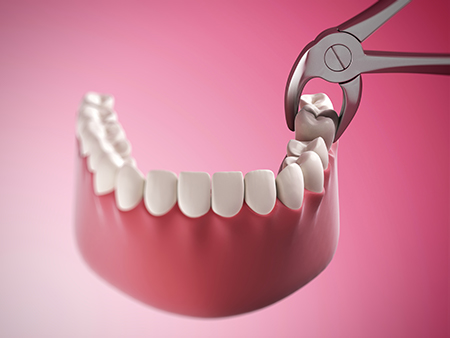
Healing after an extraction varies with the complexity of the procedure and individual factors, but most patients recover smoothly when post-operative instructions are followed. We provide tailored guidance that covers pain control, activity limits, and signs that warrant prompt follow-up.
Controlling initial bleeding and protecting the blood clot are essential steps to avoid complications. You’ll receive clear instructions on how long to apply pressure with gauze and when to change it. If you experience unexpected bleeding, persistent pain, or other unusual symptoms, contact the practice for guidance.
Below are common post-op recommendations we provide to support healing after a typical extraction. Follow any modifications your clinician gives based on your specific case.
Maintain gentle pressure
Bite on the provided gauze as directed to help the site form a stable clot. Change the gauze according to instructions and avoid spitting or rinsing forcefully during the first 24 hours.
Protect numb tissues
Until the local anesthetic wears off, take care not to bite your lips, cheeks, or tongue. Avoid hot foods or liquids while sensation is reduced.
Take medicines as recommended
Use over-the-counter or prescribed pain relievers according to instructions. If antibiotics are prescribed, complete the full course. Reach out to us if you have medication questions or allergies.
Protect the healing clot
Avoid sucking through a straw, smoking, or vigorous rinsing for several days — these actions can dislodge the clot and lead to delayed healing.
Control swelling
Apply cold packs to the cheek in intermittent intervals during the first 24 hours to limit swelling. Follow specific timing and duration recommendations provided by your clinician.
Choose soft foods
Stick to a soft diet for the initial days, avoiding spicy or extremely hot items. Hydrate, but avoid carbonated and alcoholic beverages until your clinician advises otherwise.
Resume gentle oral hygiene
Brush carefully around the surgical area and, when appropriate, begin gentle rinses with a mild saltwater solution to keep the mouth clean. Follow the timeline we provide so you don’t disturb the healing site.
Attend follow-up visits
If sutures were placed or your case requires monitoring, keep your scheduled follow-up appointment so we can confirm that healing is progressing well.
If you notice increased bleeding, severe pain, swelling that worsens after the first few days, or a persistent bad taste, contact the office for advice and review. Early communication helps us address problems before they become serious.
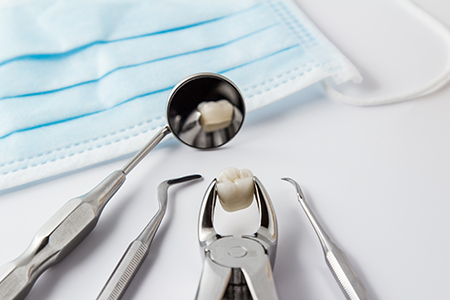
Removing a tooth often begins a broader treatment plan to restore chewing function, appearance, and the health of surrounding teeth. We review replacement options when appropriate — from removable solutions to fixed bridges and dental implants — and help patients choose the option that best meets their needs and oral condition.
Dental implants are a reliable option for replacing a single missing tooth or multiple teeth and help preserve jawbone and facial contours. Fixed bridges and dentures remain important choices in many cases, and the right solution depends on the clinical situation and a patient's preferences. Our team will explain the pros and cons of each approach and the expected timeline for restoration.
The office of Soundview Dental coordinates treatment so transitions from extraction to replacement are smooth. Whether the replacement is performed in-house or in partnership with a specialist, our focus is on predictable results, patient comfort, and restoring long-term oral health.
In summary, tooth extraction is a carefully considered treatment that can resolve pain, remove infection, and create a healthier environment for the remaining teeth. Our clinicians take time to evaluate every option, explain expected outcomes, and plan recovery and restoration steps tailored to each patient.
If you have questions about extractions or would like to discuss whether removal is the right choice for you, please contact us for more information.
The most common reasons for tooth loss include advanced periodontal disease, extensive tooth decay, and facial trauma. According to statistics, gum disease is responsible for close to 70% of tooth loss in adults. Although less frequent than the preceding three reasons, it should also be noted that specific diseases, drugs, smoking, and poor nutrition contribute to the risk of tooth loss.
The Centers for Disease Control and Prevention report that in the United States, an average of 12 teeth (including the wisdom teeth) are lost by the age of 50. Also, 26% of adults between 65 and 74 years of age have lost all their teeth.
Every patient and every situation is different. However, when a tooth and the surrounding tissues are numbed with a local anesthetic, you should only expect to feel a bit of pressure, but no pain as the tooth is being loosened from the surrounding tissues and extracted. For patients who are apprehensive and for some surgical extractions, our office will discuss our options in dental sedation to provide further relaxation and reduce any sense of discomfort.
While it's normal to feel some tenderness and swelling following an extraction, the degree of these sensations can vary. It mostly depends on the complexity of the extraction and the body's response to the procedure. We'll recommend or prescribe the appropriate pain medication to help ensure your comfort and give you specific instructions for maximum effectiveness and safety.
Typically, the recovery period following a simple extraction is shorter than a surgical extraction. However, a patient's overall health, habits, the size and location of the tooth, and other variables can influence recovery and healing. To speed up the recovery and avoid any complications, patients must follow the given at-home instructions diligently. We'll carefully review what to expect following your procedure and go over your post-op instructions.
Smoking interferes with blood clot formation, which is an essential first step in the healing process. Blood clot formation not only provides a protective layer to cover the underlying exposed bone and nerve endings, but it also supports the growth of new tissue. Cigarette smoke also contains chemical toxins that can disrupt the healing process and lead to problems such as continued inflammation, infection, or dry socket.
In a very small percentage of cases, a condition known as dry socket can develop in the aftermath of a dental extraction. This painful condition can arise when the blood clot in the extraction site doesn't form properly or gets dislodged. With dry socket, you may experience throbbing pain and symptoms such as bad breath and an unpleasant taste in your mouth. As skilled providers of care, our office will provide immediate treatment to alleviate your discomfort and promote healing.
The last teeth in your mouth to develop, wisdom teeth often do not have enough room to fully erupt or may be positioned in the wrong direction. These issues can affect your dental health as well as overall wellbeing. While some individuals never develop all their wisdom teeth, and a few have sufficient space for them, there are many people with partially or fully impacted third molars. Our office will monitor the development, position, and health of your wisdom teeth and will advise you if and when extractions are indicated.
After a tooth is removed, bone-grafting material is sometimes placed in the socket to promote healing and encourage new bone development. This procedure is often performed to support the eventual and successful placement of a dental implant.
At the office of Soundview Dental, we strive to make dental care affordable and accessible. Depending on the type or complexity of the extraction and other variables, the cost of the procedure can vary. Based on our diagnostic findings, our office will inform you of the healthiest choices in care, explain the fees, discuss insurance coverage, and explain your payment options.
Many dental plans offer some level of coverage for tooth extractions. We'll advise you if your plan covers the full cost of the procedure and if there is any out-of-pocket expense. Our business office will work with you to maximize your insurance benefits as much as possible while helping you minimize any out-of-pocket expenses.
Extraction is recommended when a tooth cannot be saved by restorative treatment and is causing pain, infection, or risking the health of neighboring teeth. Common reasons include severe decay that destroys tooth structure, fractures that extend below the gumline, advanced periodontal disease, impacted wisdom teeth, or retained primary teeth that impede normal development. Clinicians weigh alternatives and recommend removal only when it provides a safer, more predictable outcome for overall oral health.
Each case begins with a careful clinical exam and review of medical history to determine whether extraction is the best option. Imaging such as digital radiographs helps reveal root anatomy, bone levels, and the tooth’s relationship to nerves and sinuses. When appropriate, clinicians discuss restorative plans after extraction to restore function and prevent shifting of adjacent teeth.
A simple extraction is used when the full crown of the tooth is visible in the mouth and roots are straightforward; the dentist numbs the area, loosens the tooth, and removes it with forceps. Surgical extraction is required for teeth that are broken at the gumline, impacted, ankylosed, or otherwise difficult to access and may involve a small incision, removal of some bone, or sectioning the tooth. Both procedures are planned to minimize trauma and protect surrounding tissues.
Complex cases are evaluated with detailed imaging to identify potential risks and inform the approach. If the procedure exceeds what can be managed comfortably in the dental office, the patient will be referred to a trusted oral and maxillofacial surgeon for specialized care. Clear explanations of the planned technique and postoperative expectations are provided before treatment.
Preparation begins with a review of your dental and medical history and a list of current medications, including blood thinners and supplements that can affect bleeding and healing. Follow any instructions about fasting only if you will receive sedation; otherwise most simple extractions do not require you to fast. Arrange for a ride home if you plan to have sedation or if you feel uncomfortable driving after the appointment.
Be sure to report recent illnesses, changes in health, or pregnancy so the team can take appropriate precautions and, if necessary, coordinate with your physician. Bring a list of questions about anesthesia, pain control, and recovery so you understand each step. Following preoperative guidance reduces risks and helps the appointment proceed smoothly.
Local anesthesia is used in nearly all extractions to numb the treatment area so you do not feel pain during the procedure. For patients with anxiety or for more complex surgical extractions, additional options such as nitrous oxide (laughing gas), oral sedation, or IV sedation may be offered to provide relaxation and greater comfort. The choice depends on the procedure’s complexity, your medical history, and your comfort level.
The dental team reviews the risks and benefits of each option and provides clear preoperative instructions for sedative techniques. Monitoring and recovery measures are in place for any sedation used to ensure safety. If you have health conditions that affect sedation choices, the office will coordinate care with your physician as needed.
After numbing the area, the clinician will explain each step and proceed to loosen and remove the tooth using techniques appropriate to the situation, taking care to minimize trauma to surrounding tissues. You may feel pressure and movement but should not experience pain; additional anesthetic can be provided if discomfort occurs. For surgical extractions, small incisions or conservative bone removal may be necessary and sutures are sometimes placed to support healing.
The procedure length varies with complexity but the team focuses on efficiency and comfort at every stage. Postoperative instructions are reviewed before you leave so you know how to manage bleeding, swelling, and pain at home. If sedation was used, you will remain in a recovery area until it is safe for you to go home with a companion if required.
Initial healing typically begins within the first week, with most patients experiencing reduced bleeding and swelling after 48 to 72 hours and gradual improvement thereafter. Common symptoms include mild to moderate discomfort, localized swelling, and some sensitivity near the extraction site; these are usually manageable with recommended medications and home care. Complete bone and soft tissue remodeling can take several weeks to months depending on the tooth and the individual’s healing response.
Following postoperative instructions such as resting, maintaining gentle oral hygiene, and eating soft foods helps support predictable recovery. If you notice worsening pain, increased bleeding, fever, or persistent swelling beyond a few days, contact the office for evaluation. Timely follow-up appointments allow the clinician to confirm proper healing and address any concerns.
Protecting the blood clot that forms in the extraction site is the most important step to prevent dry socket; avoid actions that create suction such as drinking through a straw or vigorous rinsing for the first 24 to 72 hours. Refrain from smoking and spitting, as these behaviors increase the chance of dislodging the clot and delaying healing. Follow the specific gauze, oral hygiene, and activity instructions provided by your clinician to limit complications.
After the initial period, gentle saltwater rinses can help keep the area clean without disturbing the healing site. If you experience severe pain radiating from the socket or an unpleasant taste, contact the office promptly so the clinician can evaluate and provide treatment such as a medicated dressing if needed. Early intervention reduces discomfort and supports faster recovery.
Contact the office promptly if you experience unexpected or heavy bleeding that does not slow with gentle pressure, severe pain not relieved by recommended medications, or swelling that worsens after the first few days. Other reasons to seek review include fever, persistent numbness, difficulty breathing or swallowing, or any signs of infection such as drainage from the site. Early communication helps the team address problems before they become serious.
If you were given a postoperative contact number or instructions, follow those directions for after-hours concerns. The office will advise whether you need an urgent appointment, a prescription change, or immediate in-person care. Keeping follow-up visits ensures healing is progressing as expected.
Replacement options include removable solutions like partial dentures, fixed bridges that span adjacent teeth, and dental implants that replace the root and crown of the tooth. Dental implants are a durable option that helps preserve jawbone and maintain facial contours, while bridges and dentures remain appropriate choices depending on the clinical situation and patient preferences. The right solution depends on factors such as bone quantity, adjacent teeth, long-term function, and oral hygiene considerations.
The treatment plan and timeline vary with the chosen option; some restorations can begin soon after extraction while others require a healing period or bone grafting first. The clinician will explain the pros and cons of each approach and coordinate restorative care to achieve predictable function and esthetics. At Soundview Dental we review these options with patients so they can make informed decisions about their long-term oral health.
Complex extractions are planned with a comprehensive assessment that includes medical and dental history, targeted imaging such as digital radiographs or cone beam scans when indicated, and evaluation of anatomical risks like proximity to nerves or the sinus. This planning identifies whether the case can be managed safely in the dental office or whether referral to an oral and maxillofacial surgeon is the best course. Referral is commonly recommended for deeply impacted teeth, significant medical considerations, or when advanced surgical expertise is needed.
The practice coordinates care closely with specialists to ensure continuity, share records and imaging, and outline the restorative plan following extraction. Clear communication about expectations, recovery, and next steps helps patients navigate complex treatment smoothly. Soundview Dental maintains relationships with trusted specialists and will arrange referrals when doing so serves the patient’s best interest.

