A woman with a toothy smile holding up a toothbrush against her teeth, set against a brick wall background.

Invisalign®

Clear aligner therapy has transformed the way many people approach orthodontic care. By combining near-invisible appliances with precise digital planning, Invisalign® lets adults and teens pursue tooth movement with fewer interruptions to daily life. The treatment is intentionally straightforward: a planned series of removable aligners that gently guide teeth toward a healthier, more balanced arrangement.

Why clear aligners are a practical option

Unlike fixed brackets and wires, clear aligners are removable, which gives patients more flexibility for eating, oral hygiene, and special events. Because they are made from a transparent thermoplastic, they are far less noticeable in social and professional settings. For many adults and image-conscious teens, that discretion is a decisive advantage.

Beyond appearance, clear aligner systems are designed to be predictable and trackable. Treatment is divided into small, planned movements so clinicians can monitor progress at regular intervals. When combined with consistent wear and routine visits, the process delivers controlled tooth movement while preserving gum and bone health.

Soundview Dental offers Invisalign® as one of several modern orthodontic tools. Our aim is to help you choose the approach that best fits your goals, lifestyle, and oral health needs — always emphasizing safe, evidence-based care.

With aligners that are practically invisible, only you will know that you're undergoing orthodontic care!

From scan to smile: modern imaging and treatment planning

Precision starts with a digital scan: a complete roadmap for moving teeth efficiently and comfortably.

Contemporary aligner treatment begins with high-resolution imaging of the teeth and bite. Fast, contact-free scanners capture every surface and occlusal relationship, creating an accurate 3-D model of your mouth. This model forms the basis for the entire treatment plan and eliminates the need for traditional impressions in most cases.

Using specialized software, the clinician maps out a series of incremental movements that transform the initial bite into the planned result. Each stage is evaluated for biologic feasibility so that movement is distributed across the teeth in ways that respect periodontal health and root positioning.

Because the plan is digital, you can often preview the expected progression and final alignment before treatment begins. That transparency helps set realistic expectations and provides a clear timeline for the care pathway.

Invisalign® utilizes 3-D computer imaging technology to correct problematic bites or malocclusions by planning a complete sequence of custom-made clear aligners. This series of clear aligners incrementally move the teeth into place until the final desired corrections are reached.

How custom aligners are made and what that means for fit

The image shows two individuals holding a tablet displaying an X-ray while a third person, presumably a medical professional, looks at the screen with interest.

Assessment and clinical objectives

The first clinical visit focuses on a thorough evaluation: bite relationships, tooth positions, soft tissue considerations, and any restorative needs. Establishing clear clinical goals helps the clinician select the right sequence of movements and determine whether attachments or auxiliaries are necessary.

This diagnostic step also includes reviewing overall oral health. Aligners work best when gums and supporting bone are healthy, so any periodontal issues are addressed before moving forward. The intent is to create a stable environment for predictable tooth movement.

When the objectives are defined, the digital data is used to design the specific aligner stages. Each tray is fabricated to exact tolerances so that forces are applied where intended, improving comfort and minimizing unplanned tooth movement.

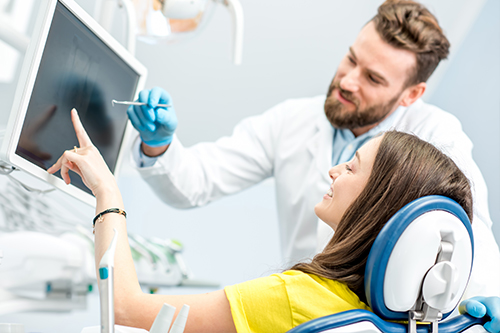
An image depicts a dental professional assisting a patient with a computer screen displaying medical imagery.

Digital design and previewing outcomes

Once the diagnostic plan is approved, software generates a step-by-step simulation of tooth movement. This visualization helps clinicians refine staging and assess whether additional aligner features, such as attachments, interproximal reduction, or elastics, will be useful.

The simulation is not only a treatment guide but also a communication tool. Patients can see the proposed result and discuss any functional or aesthetic priorities with the clinician before fabrication begins.

Because the process is repeatable and documented, adjustments are manageable. If teeth respond differently than predicted, the digital records make it easier to recalibrate the plan and continue progress without unnecessary delays.

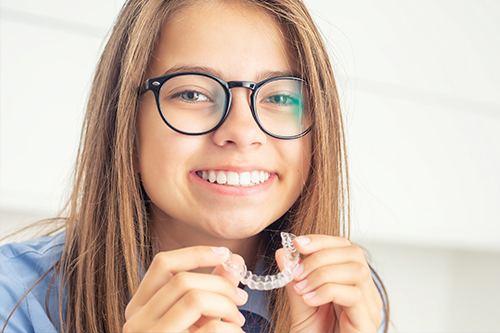
A young girl with glasses and braces is smiling at the camera.

Manufacturing for comfort and effectiveness

Aligners are produced from medical-grade, multi-layer thermoplastic engineered to balance clarity, strength, and flexibility. The precise fit across the dental arch helps ensure consistent force application while reducing the likelihood of sore spots or irritation.

Because each aligner represents a small incremental change, patients typically move from one tray to the next at prescribed intervals. This approach distributes forces gradually, which can translate into a smoother, more comfortable experience than more abrupt adjustments.

Periodic clinical check-ins allow the clinician to confirm fit and function and to make minor refinements as treatment progresses. This hands-on oversight supports both safety and outcome predictability.

A woman with dark hair holding a white object, possibly a toothbrush, against her mouth, smiling and posing for the photo.

Beginning treatment and daily responsibilities

The day you receive your first set of aligners, the clinician will review wear instructions, cleaning techniques, and a follow-up schedule. Clear aligners require consistent daily wear to achieve the planned movements — typically most waking hours, with removal for eating and oral hygiene.

Good at-home care maintains oral health and helps avoid delays in treatment. Simple practices like rinsing aligners after meals and brushing before reinserting them reduce staining and minimize bacterial buildup.

While aligners are designed for convenience, success depends on adherence. Regular appointments let the clinician evaluate progress and recommend refinements when necessary to stay on track toward the treatment goals.

Video resources and clinical demonstrations

Short videos provide visual examples of aligner fit, expected progression, and clinical techniques used with clear aligner therapy

As pioneers in the field of aligner development and technology, the folks at Align Technology, Inc. gather data from millions of treated smiles to design treatment systems that:

  • Provide a clinically tested framework for staged tooth movement
  • Address a wide range of alignment and bite concerns with improved predictability
  • Allow clinicians greater control when planning complex sequences of movement

Custom-made to the exact specifications of your smile, Invisalign® clear aligners are designed to incrementally move your teeth into their correct positions over time. Simply swap-out last week's aligner for the next one in the series and watch as your smile progressively shows signs of improvement.

And, because Invisalign® clear aligners are removable for short periods of time, you can still enjoy the foods you love as well as brush and floss your teeth with ease!

At Soundview Dental, we combine modern tools with clinical judgment to determine when aligner therapy is the most appropriate option. If you are curious about whether Invisalign® could help you reach your objectives, a clinical consultation will clarify the possibilities and outline a safe, stepwise plan.

*Invisalign® is a registered trademark of Align Technology, Inc.

In summary, clear aligner treatment offers a discreet, digitally planned approach to orthodontic correction that can fit into many lifestyles while maintaining a strong emphasis on oral health and clinical oversight. Contact Soundview Dental to learn more or to schedule a consultation — we’re happy to discuss how this treatment might fit into your overall care plan. Contact us for more information.

Frequently Asked Questions

I want to straighten my teeth but I don't want metal braces. What are the alternatives?

+

There are many options for patients who want to avoid metal braces! The most popular alternative orthodontic treatment is Invisalign®, which are clear plastic aligners designed to straighten teeth. After an examination of your teeth, your dentist will determine which option is best suited to your wants and needs.

Is Invisalign® expensive?

+

According to the Invisalign® website, the cost for treatment is approximately the same as the cost for metal braces. A portion of this cost may be covered by your insurance. Please call us to set up a consultation and discuss potential payment plan options.

How does Invisalign® work?

+

The first step is to schedule a consultation with your doctor, so they can devise a treatment plan that is best suited to your individual dental needs. Once approved, you will receive your first set of aligners. Your doctor will then regularly monitor the movement of your teeth and new aligners will be ordered according to the progress made in your treatment plan.

What is Invisalign® made of?

+

Invisalign® aligners are made of clear, flexible plastic. The company received a patent for this material – SmartTrack® – to be used exclusively for Invisalign treatment purposes. These aligners are FDA approved and nearly invisible!

How long does Invisalign® treatment take?

+

Your doctor will give you an estimate regarding how long your Invisalign® treatment should take, which will depend on your specific needs. The average length of time for treatment is approximately 12-18 months. However, some patients may see results far sooner. Remember to wear your aligners exactly as instructed by your doctor to obtain the best results.

Are Invisalign® results permanent?

+

Your doctor will most likely recommend that you wear retainers following your Invisalign® treatment. This is a precaution that will prevent your teeth from shifting back to their original positioning. It is important to follow your doctor's instructions exactly to ensure long-lasting results.

How often must I wear my aligners?

+

You must wear your aligners for up to 22 hours daily. You may remove them for eating, drinking and regular oral hygiene.

Are there any restrictions to what I can eat while in treatment?

+

No. Unlike braces, you may eat whatever you like as long as you remove the aligners before eating. Prior to placing the aligners back on, it is important to brush your teeth and the aligners after you eat.

Will wearing the aligners affect my speech?

+

Like any orthodontic treatment, there is a short adjustment period. The more you speak with the aligners on, the quicker you will adjust.

Is there any discomfort with Invisalign® treatment?

+

There will be some pressure and minor discomfort for a day or two after each initial insertion. This is a sign that your teeth are moving sequentially into their final position.

Can I chew gum?

+

It is recommended that you remove your aligners prior to chewing gum as the gum will stick to the aligners.

Can I smoke with the aligners in?

+

We discourage smoking with aligners as the cigarette smoke will tend to discolor them.

How do I keep my aligners clean?

+

Brushing them with toothpaste will keep them fresh and clean.

How often do I see an orthodontist while wearing Invisalign®?

+

Regular office visits are every five to six weeks. This will ensure that your Invisalign treatment is progressing as planned.

What happens after my treatment is complete? Do I need retainers?

+

All orthodontic patients are instructed to wear their retainers at night indefinitely. Sleeping with your retainers in at night will ensure a healthy bite and maintain the new position of your teeth.

Does Invisalign work for kids?

+

Yes, if their teeth, including second molars, have grown in completely.

What is Invisalign® and how does it work?

+

Invisalign® is a form of clear aligner therapy that uses a series of custom-made, removable trays to guide teeth into a new position over time. Each aligner represents a small, planned movement so forces are distributed gradually and predictably. The system relies on digital treatment planning to map out the full sequence from the current bite to the intended result.

Because the trays are made from transparent thermoplastic, they are far less noticeable than traditional braces and can be removed for eating and oral hygiene. Digital scans and 3-D models permit clinicians to preview the planned progression and make adjustments before fabrication. Successful outcomes depend on biologically sound staging, precise fabrication, and consistent patient wear.

Who is a good candidate for Invisalign® treatment?

+

Many adults and image-conscious teens with mild to moderate crowding, spacing, or certain bite issues are good candidates for Invisalign® treatment. Complex skeletal problems or very severe tooth movements may require traditional braces or a multidisciplinary approach, so an initial clinical assessment is important. Healthy gums and supporting bone are prerequisites for aligner therapy, and any periodontal concerns should be managed before starting treatment.

A clinician will evaluate your dental and restorative needs, tooth positions, and occlusion to determine suitability and to set realistic clinical objectives. Teen patients may require additional compliance monitoring, while adults often appreciate the discreet nature of aligners. If necessary, adjunctive techniques like attachments, interproximal reduction, or elastics can expand what aligners can achieve.

How long does Invisalign® treatment usually take?

+

Treatment duration varies with the complexity of the case, the number of movements required, and how consistently the aligners are worn. Many patients complete aligner therapy in several months to a year for routine alignment concerns, but some cases can take longer when bite correction or extensive movement is involved. The digital plan establishes an estimated timeline, which is refined during treatment as progress is evaluated.

Patient adherence to wear instructions is a primary factor influencing overall duration; inconsistent wear commonly leads to slower progress and the need for refinements. Periodic clinical reviews allow the clinician to track movement and make midcourse adjustments when teeth respond differently than predicted. If additional corrections are needed, a supplemental series of aligners can be designed to continue progress without restarting treatment.

What are the main steps in the Invisalign® process?

+

The process begins with a comprehensive consultation and clinical exam, including evaluation of bite relationships, periodontal health, and any restorative needs that might affect movement. A high-resolution digital scan captures the anatomy of the teeth and occlusion to create a 3-D model that the clinician uses to design and simulate the treatment sequence. After reviewing and approving the proposed plan, custom aligners are fabricated to the clinician's specifications.

At the delivery visit the clinician will review wear instructions, cleaning techniques, and the follow-up schedule, and will place any necessary attachments. Patients typically change aligners on a prescribed cadence and attend periodic check-ins so progress can be monitored. If teeth do not move as intended, the digital records make it straightforward to request refinements and continue treatment efficiently.

How should I care for my aligners and maintain oral hygiene?

+

Good at-home care helps preserve aligner clarity and supports oral health during treatment; rinse aligners after eating and brush and floss before reinserting them. Clean aligners daily using a recommended brush or cleaning system and avoid hot water, which can deform the thermoplastic. Storing aligners in their case when not in use prevents loss and reduces exposure to contaminants.

Maintaining regular dental cleanings and periodontal checkups is important while undergoing aligner therapy to ensure gums and bone remain healthy. Avoid colored mouthwashes or highly pigmented foods immediately before reinserting aligners to minimize staining. If an aligner becomes damaged or no longer fits, contact the clinician so the situation can be assessed and addressed promptly.

Will Invisalign® affect my speech or daily activities?

+

Most patients experience a brief adjustment period when they first wear aligners, during which a slight lisp or change in speech may be noticeable. This typically resolves within days as the tongue and lips adapt to the presence of the trays. Because aligners are removable, they generally have minimal impact on eating, exercise, or social activities compared with fixed appliances.

Patients should remove aligners for eating and for activities where trays could be damaged or contaminated, then rinse and replace them afterward. Wearing aligners as instructed for the majority of waking hours is essential for predictable progress. If you have specific concerns about professional voice use or athletic mouthguards, discuss options with your clinician so accommodations can be planned.

What are attachments, interproximal reduction, and elastics, and why might they be used?

+

Attachments are small, tooth-colored composite shapes bonded to selected teeth to help the aligner apply targeted forces for specific movements. Interproximal reduction (IPR) involves carefully removing minute amounts of enamel between teeth to create space for alignment and to improve contact relationships. Elastics are small rubber bands used in conjunction with aligners to influence jaw position or correct certain bite discrepancies.

These auxiliaries expand the range of tooth movements that can be accomplished predictably with clear aligners and are planned digitally as part of the treatment staging. The clinician will explain the purpose and expected duration of any adjunctive procedures during the consultation. All interventions are performed with attention to periodontal health and long-term stability.

How is progress monitored and what happens if teeth do not move as planned?

+

Progress is monitored through scheduled clinical visits where the clinician assesses fit, tooth movement, and tissue health, and compares results to the digital treatment plan. Because the treatment record is digital, clinicians can quickly identify discrepancies between predicted and actual movement and request refinements when necessary. Refinements typically involve generating an additional series of aligners or modifying staging to correct areas that did not track as expected.

Noncompliance with wear instructions is a common cause of slower-than-expected progress, so clinicians will review wear habits and reinforce best practices when needed. In some cases minor restorative adjustments or new attachments may be employed to regain control of specific movements. Ongoing communication between the patient and clinician helps ensure timely interventions and keeps treatment on course.

What should I expect after finishing Invisalign® treatment?

+

At the end of active aligner therapy, the clinician will evaluate occlusion, tooth positions, and overall stability to determine if additional finishing is required. Retention is an essential next step; most patients receive a removable or fixed retainer to protect the new alignment and prevent relapse as the supporting tissues adapt. The specific retainer type and wear schedule are individualized based on the case and the clinician's judgment.

Follow-up visits allow the clinician to monitor retention and address any late changes as they arise. Good long-term results depend on adherence to the prescribed retainer protocol and maintaining regular dental care. If restorative work is planned, the clinician will coordinate timing so restorations complement the new tooth positions and occlusion.

How do I get started with Invisalign® at Soundview Dental?

+

To begin, schedule a consultation so a clinician can perform a full dental and periodontal evaluation and determine whether Invisalign® is an appropriate option for your objectives. During that visit a digital scan or records will be taken, clinical goals will be established, and the treatment workflow will be explained, including any potential adjunctive procedures that might be needed. This appointment is an opportunity to review expectations, ask questions, and see a simulated outcome when available.

If you decide to proceed, the digital plan will be finalized and custom aligners fabricated, with clear instructions provided for wear and care. Regular progress visits will be scheduled so the clinician can monitor movement and make adjustments as needed. Soundview Dental's team will guide you through each step to help ensure a safe, efficient, and predictable treatment experience.

Schedule a visit today!
Contact Us
SMS Consent
Submit

Thank You!

We appreciate you taking the time to visit our site. We'll review your message and be in touch with you soon.

Continue
The image shows a serene scene at sunset with several sailboats on the water, their sails catching the light as they glide across the calm sea under a clear sky.