Call Us Today!
(631) 421-4131


At the office of Soundview Dental, nurturing healthy smiles for children is a focused part of our practice. We aim to partner with families to create positive experiences around oral care, teach habits that last a lifetime, and provide gentle, evidence-based treatment when problems arise. Our approach combines prevention, clear communication, and age-appropriate care so that visits are efficient, comfortable, and productive for both children and their parents.

Starting dental care early helps normalize visits and gives clinicians a chance to monitor growth and development from the outset. The first dental encounter is as much about education as it is about exam: we introduce simple routines, answer parental questions, and look for any early signs of concern. These early touchpoints build trust and make follow-up care easier as your child grows.
Prevention is the through-line of pediatric dentistry. Regular exams, timely cleanings, and targeted interventions—such as topical fluoride or sealants when appropriate—reduce the risk of decay and other common problems. By emphasizing habit-building and practical techniques for brushing and flossing, we set children up to maintain good oral health independently as they mature.
We also pay close attention to developmental milestones during routine visits. Monitoring tooth eruption patterns, bite relationships, and jaw growth helps us spot issues early, when they are usually easier to address. The goal is to move from treating disease to preventing it whenever possible—keeping smiles healthy so kids can eat, speak, and play without interference.
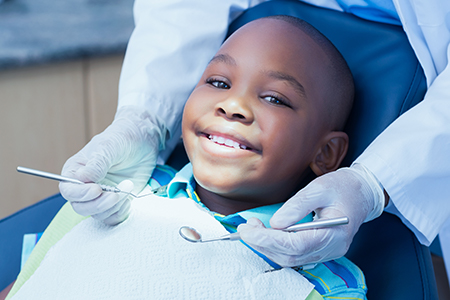
Visits are tailored to your child’s age and comfort level. Appointments typically include a friendly review of medical history, a clinical exam of the teeth and oral tissues, and targeted guidance for home care. For toddlers and young children, much of the visit is focused on familiarizing them with the environment and introducing habits in a playful, nonthreatening way.
When needed, we use digital radiography to get a clear view of developing teeth and underlying structures. Imaging is employed judiciously and always with safety in mind to help identify cavities, assess tooth position, and ensure that growth is progressing normally. Cleaning and polishing may be performed to remove plaque and reinforce healthy routines.
Behavior management is a key part of pediatric care. Our team uses calm communication, positive reinforcement, and step-by-step explanations to help children participate in their care. For children who experience significant anxiety or have special needs, we discuss additional options and accommodations so every child can receive the treatment they require in a supportive setting.
Tooth decay is common but largely preventable. Simple, consistent actions at home — like supervised brushing twice a day with a smear or pea-sized amount of fluoride toothpaste, daily flossing when teeth touch, and replacing sugary drinks with water — make a measurable difference. Parents who model these behaviors help children adopt them more readily.
Clinical tools such as dental sealants provide extra protection for newly erupted permanent molars, sealing grooves where food and bacteria can collect. Periodic topical fluoride treatments can strengthen enamel and lower cavity risk for children at increased susceptibility. We review these options based on your child’s individual needs and developmental stage.
Equally important is preventing early childhood feeding habits that raise decay risk. Avoiding prolonged bottle or sippy-cup use with juice or milk, limiting frequent snacking on sticky sweets, and encouraging healthy alternatives support both oral health and general nutrition. Small changes in daily routines often produce significant benefits over time.
Even before teeth appear, oral health matters. Parents can start cleaning a baby’s gums with a soft cloth after feedings and, as teeth emerge, transition to an age-appropriate toothbrush. The American dental organizations recommend a first dental visit around the time of the first birthday or when the first tooth erupts; early checks allow clinicians to guide parents and watch for developmental concerns.
Teething can be uncomfortable but is typically a brief phase that responds to gentle measures such as chilled teething rings or light gum massage. If you notice unusual swelling, prolonged fever, or other concerning signs, reach out to your dental provider for advice. Early interaction with your dental team makes it easier to get prompt care when needed.
Primary (baby) teeth play important roles beyond chewing and smiling: they maintain space for permanent teeth and support speech development. Keeping primary teeth healthy helps prevent complications later and preserves the proper path for permanent teeth. When early intervention is required, conservative treatments help restore function and comfort while supporting natural development.

As children become adolescents, their dental needs change. We watch for shifts in bite, alignment, and jaw growth that may warrant early orthodontic discussion. Timing is often key: identifying issues in the mixed dentition phase lets families consider the most conservative and effective options for long-term outcomes.
Adolescence also brings lifestyle changes—greater independence with hygiene, new dietary choices, and participation in sports. Proper routine care remains essential, and protective measures like custom mouthguards play a major role in preventing dental trauma during athletic activity. We can evaluate fit and recommend the best protective appliances for your child’s sport.
Wisdom teeth and other late-developing concerns are monitored as part of ongoing care. When interventions are necessary—whether for eruptive guidance, extractions, or restorative work—we coordinate treatment with parents and, when appropriate, other specialists to ensure the timing supports optimal oral health without disrupting school and life.
Monitoring facial and dental growth is an integral part of pediatric visits. Regular assessment lets us spot discrepancies early—such as crowded teeth, crossbites, or jaw asymmetries—and discuss whether observation, interceptive orthodontics, or referral to a specialist is the best path. Early dialogue helps families plan and reduces surprises down the road.
Healthy teeth begin with a balanced diet. Foods rich in calcium, phosphate, and vitamins support enamel and jaw development, while limiting sugary snacks and acidic drinks reduces decay risk. We provide practical guidance on snacks, beverages, and routines that support both oral health and overall well-being for growing children.
At the office of Soundview Dental, our pediatric dentistry approach centers on prevention, education, and gentle, timely treatment. If you have questions about your child’s dental development or would like more information about our pediatric services, please contact us for more information.
A pedodontist is a dentist who has received advanced specialty training in meeting the dental needs of children from infancy to adolescence. Pedodontists, also referred to as "pediatric dentists," study child psychology, behavior management, caring for children with special needs, methods of handling oral/facial trauma, and various techniques for providing anesthesia and sedation. Pedodontists also understand the complexities of facial growth and development and have the clinical skills required to meet the dental needs of all children at every stage of development. Most of all, pedodontists are passionate about what they do and enjoy working with children. They strive to make every dental experience a positive one as they help children establish a strong foundation for good oral health.
Even before your child is born, their first set of teeth is already forming. In fact, by one year of age, some of your baby's front teeth will have already come into place. While the arrival of your baby's first teeth is only one of many developmental milestones, it represents an excellent time to begin a program of oral care. According to recommendations from the American Dental Association, babies should see the dentist around the time of their first birthdays.
Your baby's first teeth typically begin to appear in the 6 to 12-month range. While this is an extraordinary milestone, you need to be aware that your baby may find the experience a little bit uncomfortable. Teething can make babies feel irritable. They may be fussy, have trouble sleeping, not want to eat, and drool quite a bit.
Although you are powerless to speed up the process of teething, there are a few things that you can do to soothe your baby as the new teeth are erupting into place. Common approaches to helping your baby feel more comfortable while getting new teeth, include teething rings or a cold spoon or moist gauze rubbed over their gums.
Even for these few new teeth, it's absolutely essential to establish an effective regimen of oral care. For information on when your baby's first set of teeth will erupt into place, consult this timeline from the American Dental Association: Eruption Charts
Some children persist in sucking their thumbs or fingers beyond their preschool years. For these children, the activity continues to be a source of comfort, relaxation, and security. It may even help them fall asleep at night. However, it's essential to be aware that in the long-term, a finger sucking habit is not healthy.
If your child's thumb or finger sucking habit is still present when the permanent teeth begin to come in, your child is at a higher risk of developing a bad bite. By the age of five or six years, you need to constructively and gently help your child stop the habit.
It's also a good idea to have a comprehensive evaluation at this time. Your pedodontist can assess if there are any habit related alterations to the alignment of your child's teeth or jaws, or if it is affecting their speech or swallowing patterns. They can also discuss habit control strategies with you, as well as follow your child's bite and facial development as they grow. If interceptive appliances or corrective orthodontic care are recommended, the timetable and best options in care will be explained in complete detail.
We recommend scheduling a child's first dental visit by their first birthday or within six months of the first tooth erupting. Early visits help normalize the dental environment and allow clinicians to assess growth, feeding habits and early risk factors for decay. These appointments focus on gentle examination, parent education and building a positive relationship with the dental team.
Early interaction with the office of Soundview Dental also gives clinicians a baseline for monitoring development and makes follow-up care less stressful for both children and parents. The dentist will review medical history, demonstrate brushing techniques and answer questions about pacifier use, bottle habits and oral development. If any concerns are identified, the team will outline a preventive or monitoring plan tailored to your child.
Pediatric visits are tailored to a child’s age, development and behavior, with an emphasis on prevention, growth monitoring and family education. Exams are typically shorter and use child-friendly language and techniques to assess tooth eruption, bite relationships and oral habits. Cleanings for children are adapted to what a child can tolerate and often prioritize instruction and plaque removal rather than extensive polishing.
The dental team routinely uses behavior management strategies such as tell-show-do, modeling and positive reinforcement to help children participate in care. Radiographs and treatments are employed judiciously and always with safety measures in mind. Parents are engaged throughout the visit so home routines can be reinforced and questions addressed.
Preventive care for children commonly includes routine examinations, professional cleanings, topical fluoride applications and dental sealants when indicated. Sealants are a quick, painless way to protect the deep grooves of newly erupted permanent molars, and fluoride treatments strengthen enamel to reduce cavity risk. These clinical measures, combined with daily brushing and flossing, greatly lower the likelihood of decay.
At-home habits and nutrition are a vital part of prevention, so clinicians provide practical guidance on brushing technique, appropriate fluoride use and timing of flossing. Prevention plans are individualized based on a child’s decay risk, medical history and developmental stage. Regular recall visits allow the team to reinforce habits and adjust preventive measures as a child grows.
Creating a comfortable environment is a priority; clinicians use calm communication, stepwise introductions to procedures and positive reinforcement to build cooperation. For many children, distraction techniques, parental presence and short, predictable visits reduce anxiety and help them participate in care. When needed, desensitization visits gradually introduce new experiences so a child becomes familiar with the setting and routine.
Children with significant behavioral challenges, sensory sensitivities or complex medical conditions may need additional accommodations to receive safe, effective care. The dental team will discuss individualized behavior support strategies and, when appropriate, review advanced options with parents and medical providers. Decisions about supportive measures prioritize the child’s safety, comfort and long-term oral health.
Oral care begins before teeth appear; parents can gently clean a baby’s gums with a soft cloth after feedings to remove bacteria and promote comfort. As teeth erupt, switch to a soft infant toothbrush and use a rice-grain smear of fluoride toothpaste unless otherwise advised by the dentist. Early dental visits let clinicians provide guidance on feeding, pacifier use and habits that influence dental development.
Teething discomfort is common and often managed with chilled teething rings, gentle gum massage and comforting measures at home. Parents should contact the dental office if they observe prolonged fever, severe swelling or signs of infection. Keeping primary teeth healthy is important because they support chewing, speech and the proper eruption path for permanent teeth.
Early childhood caries is largely preventable by combining good home care with mindful feeding practices and regular dental visits. Limiting sugary drinks, avoiding prolonged bottle or sippy-cup use and reducing frequent snacking on sticky sweets lowers constant acid exposure that promotes decay. Supervised brushing twice daily with an age-appropriate amount of fluoride toothpaste and timely fluoride varnish applications add important protection.
Encouraging nutritious snacks such as cheese, vegetables and water between meals supports saliva and enamel health. Parents who model consistent oral hygiene and establish predictable routines help children adopt lasting habits. When risk factors are present, the dentist will recommend an individualized prevention plan and closer monitoring to intercept disease early.
An early orthodontic evaluation is often recommended during the mixed dentition phase, typically around ages 7 to 9, when a clinician can detect developing bite problems. Early assessment helps identify concerns such as crowding, crossbites or jaw discrepancies that may benefit from interceptive measures to guide growth. Not every child will need early treatment, but timely evaluation enables families to consider conservative options before problems progress.
The pediatric dental team will monitor facial and dental development and refer to an orthodontist when specialized care is warranted. If treatment is recommended, options are selected to support optimal long-term outcomes while minimizing disruption to a child’s daily life. Coordination among the dentist, orthodontist and family helps ensure treatment timing aligns with dental development and overall well-being.
Quick, calm action can make a difference in dental emergencies. For a knocked-out permanent tooth, handle it by the crown only, rinse briefly if dirty and attempt to reinsert it or place it in milk or an appropriate preservation solution while seeking immediate care. For injured baby teeth, control bleeding with gentle pressure and contact the dental office for guidance about next steps.
If a child experiences severe pain, swelling that affects breathing or persistent bleeding, seek emergency medical attention without delay. The dental team can advise whether an urgent dental visit is needed and will prioritize stabilizing the child and preventing infection or further injury. Having a plan for dental emergencies helps parents respond quickly and confidently.
Modern digital radiography uses much lower radiation doses than older film systems and provides valuable diagnostic information about developing teeth and surrounding structures. Dentists follow the ALARA principle—keeping exposure as low as reasonably achievable—and only take X-rays when clinically indicated by age, risk factors or observable signs. Protective measures such as a lead apron and thyroid collar further minimize exposure during imaging.
Imaging schedules are individualized; children at low risk and without clinical concerns may have extended intervals between radiographs. When X-rays are recommended, the team will explain the purpose, benefits and safety measures so parents can make an informed decision. Careful, judicious use of imaging supports accurate diagnosis while prioritizing a child’s safety.
Mouthguards significantly reduce the risk of dental trauma for children who participate in contact or collision sports by cushioning blows and stabilizing the jaw. Custom-fitted mouthguards made by a dental professional provide the best combination of protection, fit and comfort because they are fabricated to match a child’s teeth and bite. While boil-and-bite and stock guards offer some protection, a custom appliance typically offers better retention and breathing comfort during activity.
The dental team can evaluate your child’s mouth, recommend the most appropriate type of guard and fabricate a custom appliance when indicated. Proper maintenance—rinsing or brushing the guard after use, storing it dry and replacing it as teeth change—is essential to sustained protection. Discussing mouthguard options during a pediatric dental visit helps ensure safe sports participation and good long-term oral health at Soundview Dental.

